Sedgwick County has recorded more shigellosis cases than any other county in Kansas in 2026, with 27 of the state's 71 reported cases as of Wednesday, Oct. 7.
The statewide total marks the highest annual case count since at least 2020, according to the Kansas reportable infectious disease dashboard, as reported by the Wichita Eagle. Wichita Eagle reporter Kaitlyn Alatidd reported that the disease made national news the week of Tuesday, Oct. 13, after rising case counts in several states.
Johnson County recorded the second-highest total with 20 cases.
The south-central Kansas region, which includes Sedgwick County, accounted for 33 cases overall. The Kansas City metropolitan area reported 23.
Who is getting sick
Of the 71 Kansas cases, 42 were reported in males. Infections have appeared across all age groups, from children under 5 to adults 85 and older.
July was the peak month, with 15 cases. Five cases were reported in September and one in October, as of the Wednesday, Oct. 7, dashboard update.
Nationally, 14,291 shigellosis cases had been reported as of the week ending Oct. 3, according to the U.S. Centers for Disease Control and Prevention (CDC). That figure is down slightly from 14,645 cases at the same point last year.
Shigellosis and drug resistance
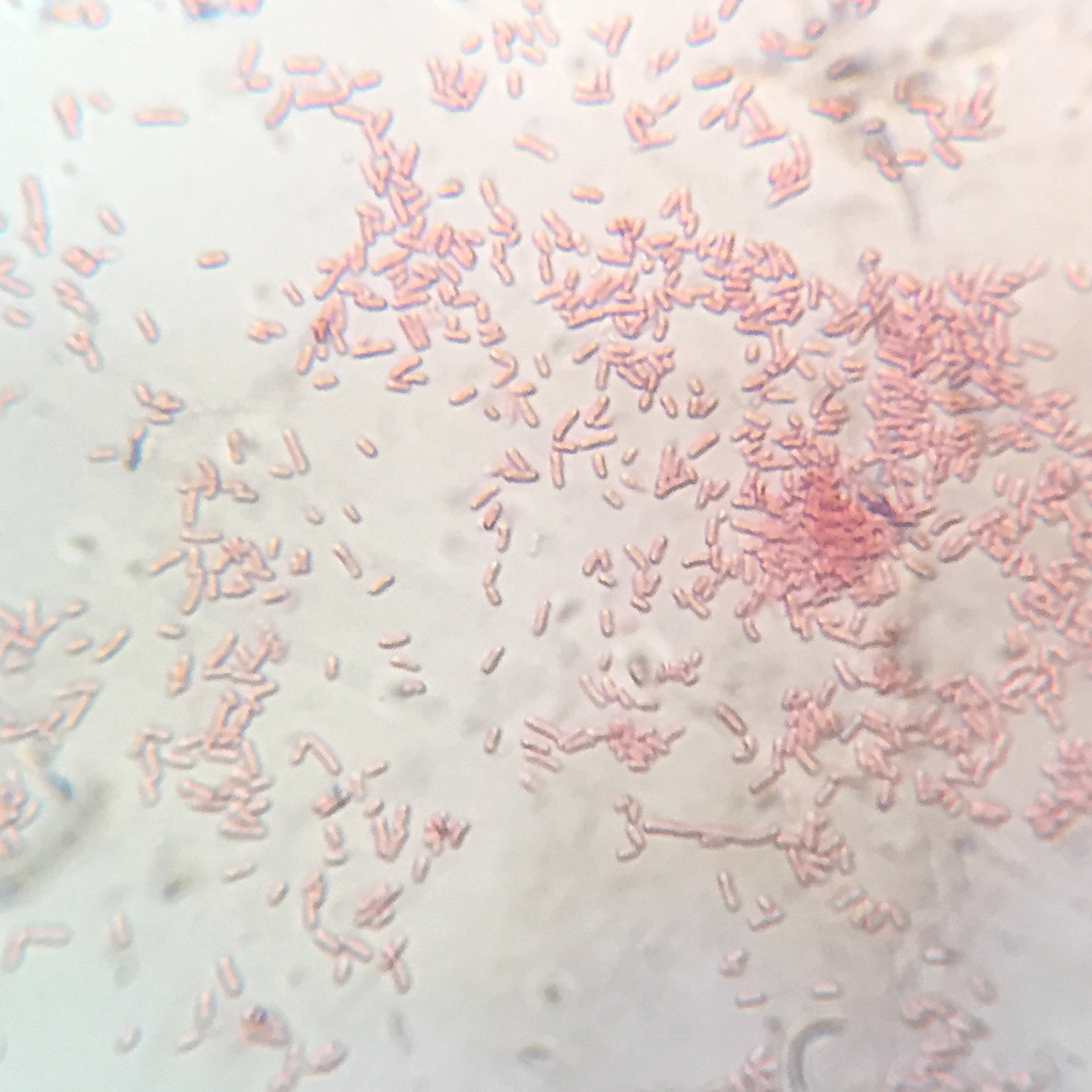
Shigellosis is an infection caused by Shigella bacteria. People can become infected through contaminated food or water, close contact with a sick person, or sexual activity with someone who is infected, according to the CDC.
The CDC estimates Shigella causes about 450,000 infections in the U.S. each year. Drug-resistant infections cost an estimated $93 million annually in direct medical expenses.
A CDC report published April 9 found that extensively drug-resistant, or XDR, Shigella isolates rose from 0% of tested samples in 2011 to 8.5% in 2023. No FDA-approved oral medications exist to treat XDR infections. Among patients with XDR shigellosis in the CDC's analysis, 86.2% were men, and about 37.6% of those with hospitalization data were hospitalized.
Symptoms and treatment
Symptoms start one to two days after infection and include diarrhea, which may be bloody, fever, stomach pain and a persistent urge to use the bathroom. Most people recover within a week without antibiotics, according to the state's infectious disease dashboard. Severe cases may require antibiotic treatment, but some strains resist standard drugs.
The CDC recommends seeing a doctor for bloody or prolonged diarrhea, severe stomach cramps or fever.
How to reduce risk
The CDC recommends washing hands with soap and water before eating, before sexual activity, after using the bathroom and when changing diapers. People should avoid swallowing water while swimming and follow safe food and water practices when traveling internationally.
The agency advises against sexual contact with anyone who has had shigellosis until at least two weeks after their diarrhea has ended.
The Kansas Department of Health and Environment (KDHE) tracks cases on its reportable infectious disease dashboard. Residents who suspect they have shigellosis can contact their health care provider or the Sedgwick County Health Department.