Derby is drafting a council policy governing its automated license plate reader camera program. The effort follows a council member's push for written oversight and a resident's open-records challenge.
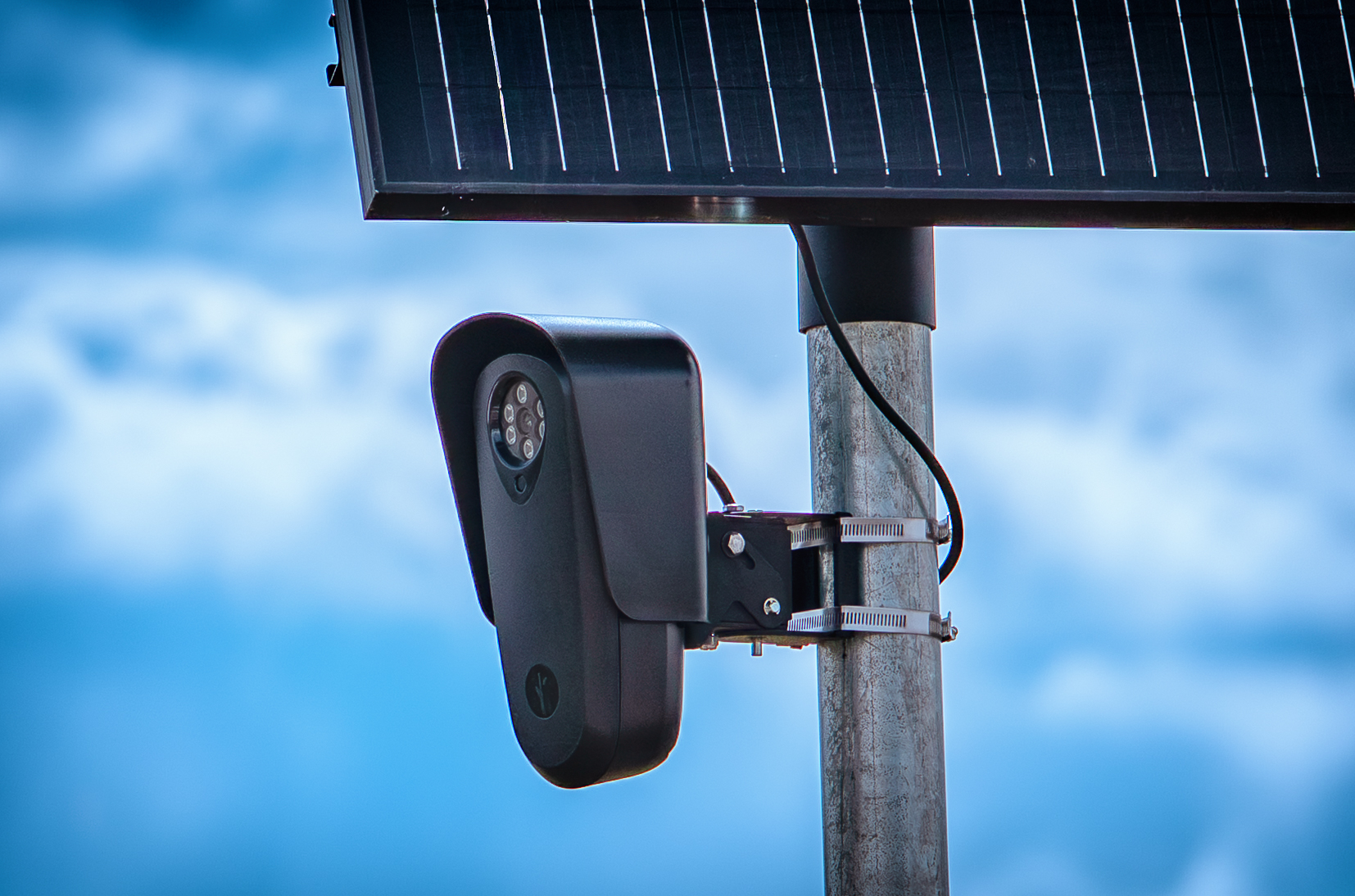
City Manager Kiel Mangus said staff from his office, the Derby Police Department and the city attorney are writing rules governing the city's Flock Safety cameras. Mangus said he hopes to present the draft to the Derby City Council for input by late October or early November, according to the Derby Informer.
The effort began at the Tuesday, Sept. 8, council meeting, when council member Jared Brown made a motion directing staff to develop a policy.
"I'm not concerned with the city or Derby PD … it's Flock as a company that is somewhat concerning, just because in the future … if they decide to do something that either we don't agree to or something we (don't) know about, we need to have a line in the sand that this at least comes to council for a more public review," Brown said.
What the policy covers
The draft focuses on four areas: where cameras can be placed, what data they can collect, how that data is accessed and protected, and what future expansions would require council approval.
Derby police currently position cameras at key entrances and exits to the city. Mangus said a shift to a broader network through residential neighborhoods would be the kind of change that should trigger public discussion and a council vote.
The department first deployed Flock cameras in November 2021 and expanded to 16 total by 2024, at a cost of $2,500 per device. The system costs $40,000 a year, according to prior Kansas.com reporting. The cameras capture photos of license plates and vehicle characteristics but do not use facial recognition or track drivers by GPS, Derby Police Chief Brandon Russell told the council at the Sept. 8 meeting.
The department conducts monthly internal audits on searches through the system.
Open-records request tests limits
Separately, Derby resident Clint Helm filed a Kansas Open Records Act request seeking all Flock data tied to his license plate, including any Bluetooth signal traces from devices in his vehicle.
City Attorney Jacque Butler responded that Flock representatives confirmed the cameras cannot access Bluetooth or any other vehicle systems. Butler denied Helm's plate-data request under Kansas statute K.S.A. 45-221(a)(55), which exempts captured license plate data from public disclosure.
Vandalism backdrop
The policy push comes after 10 of Derby's 16 Flock cameras were cut down on the evening of Tuesday, Aug. 25, causing more than $20,000 in damage, according to the Derby Informer. Zachary Miller, 31, of Derby, faces two felony criminal-damage charges in connection with the destruction. His preliminary hearing in Sedgwick County District Court is scheduled for Monday, Oct. 19.
Derby has not set a repair timeline for the damaged cameras.
"We want to solve crimes, we want to protect our community, we want to have safeguards in place and accountability so people are using this correctly," Russell said at the Sept. 8 council meeting, as reported by Kansas.com.
Several other Wichita-area cities use Flock cameras, including Haysville, Maize, Andover, Valley Center, Goddard and Park City. More than 100 law enforcement agencies across Kansas have contracts with the company.