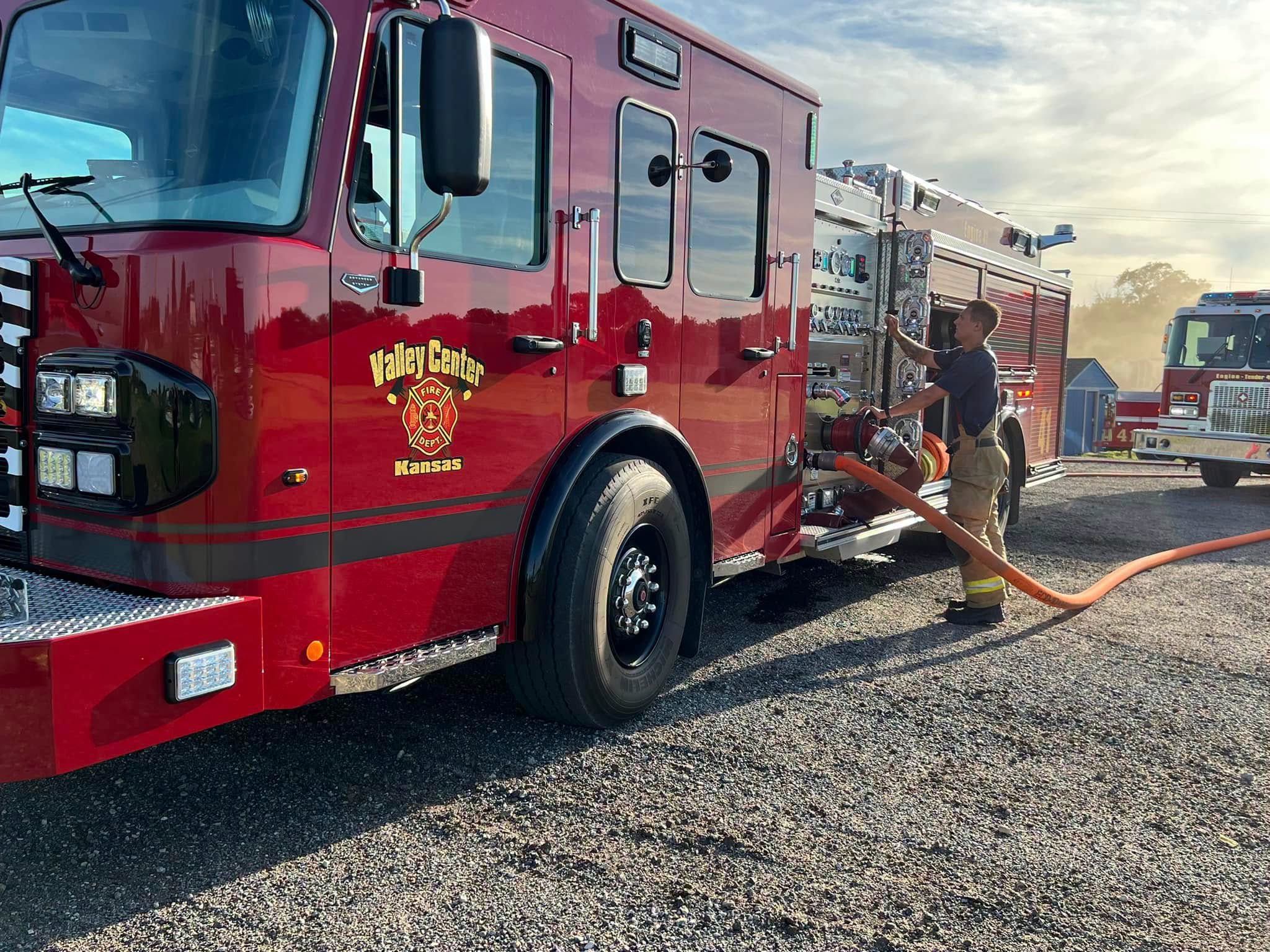
Valley Center voters rejected a 1% sales tax to fund a full-time fire department on Tuesday, Nov. 3. The Sedgwick County community will now fold into Sedgwick County Fire District 1.
The measure failed by a wide margin. A total of 1,845 people voted against it, compared to 1,083 in favor, according to the Wichita Eagle, citing Sedgwick County Election Office data. That works out to 63% opposed.
The tax had no built-in end date. It would have pushed Valley Center's total sales tax rate to 9.5%, KWCH reported. That would have been the highest rate in Sedgwick County, according to the Eagle. The increase was estimated to generate about $950,000 a year.
Valley Center's fire department uses full-time staff for 12 hours a day and volunteers for the other 12, according to KWCH. The sales tax would have expanded the department from six full-time firefighters to 10 and allowed round-the-clock coverage, the Eagle reported. Taxpayers also would have eventually needed to fund a new fire station, equipment and additional vehicles.
City Administrator Cyndra Kastens told the Eagle it is time for Valley Center to reunite after what became an extremely passionate topic on both sides.
The Valley Center City Council voted 6-2 in August to place the question on the ballot. Sales tax supporters raised concerns about whether the county could match the city fire department's response times. Others pointed to civic pride in having an independent department. Opponents focused on cost.
What joining Fire District 1 means
County officials said before the election that Valley Center's current firefighters will be offered jobs with Fire District 1, according to the Eagle. The county also said it will pay for renovating the existing fire station or building a new one, and that Valley Center will continue to have a station within city limits.
For the owner of a $250,000 home, fire protection property taxes under Fire District 1 would total $302 in 2027. In 2028, that figure would rise to an estimated $482, or 16.75 mills, matching the rate other Fire District 1 members pay, the Eagle reported.
The city projected approximately $7.1 million in equipment-sale proceeds and avoided capital costs. That includes an estimated $2.1 million from selling existing fire equipment, which would pay off fire truck debt and other city debt. The city also would skip a planned 2027 fire truck purchase, avoid $210,000 in start-up costs and not need to build a $5 million fire station, according to city data cited by the Eagle.